
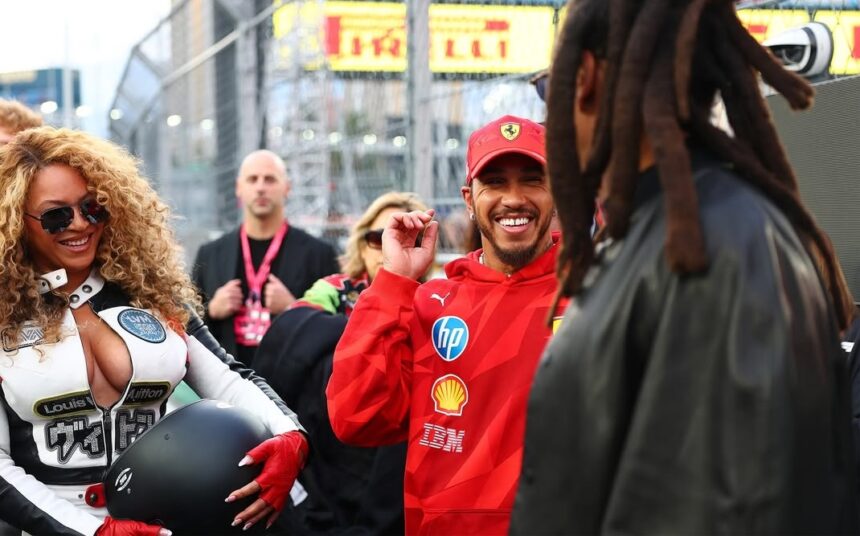
There was a time when Formula One felt like a private club. If you didn’t grow up watching it, good luck trying to enter. The races were long, the rules complicated, and the whole thing carried a kind of polished distance. But over the past few seasons, the sport has clearly decided it doesn’t want to live only with its old-school audience. It wants to feel younger, wider, louder. And as of mid November 2025, you can see that push everywhere you look.
What is happening now
What changed first wasn’t the cars. It was the people watching them. Younger fans suddenly showed up in numbers nobody expected. Teenagers who never cared about engines now talk about drivers as if they’ve followed them for years. Women, once sidelined by the sport’s culture, are among the fastest growing groups. In some markets, especially the US, the whole thing has turned into a kind of pop-culture phenomenon. People follow the drivers like they follow musicians or actors.
Formula One didn’t stumble into this. It leaned into it. It started telling stories. Not technical lectures, but personal ones. Rivalries, pressure, friendships that break down when points are on the line. Teams that love each other in public and probably curse each other in private. When people say “the sport became human,” that’s what they mean.
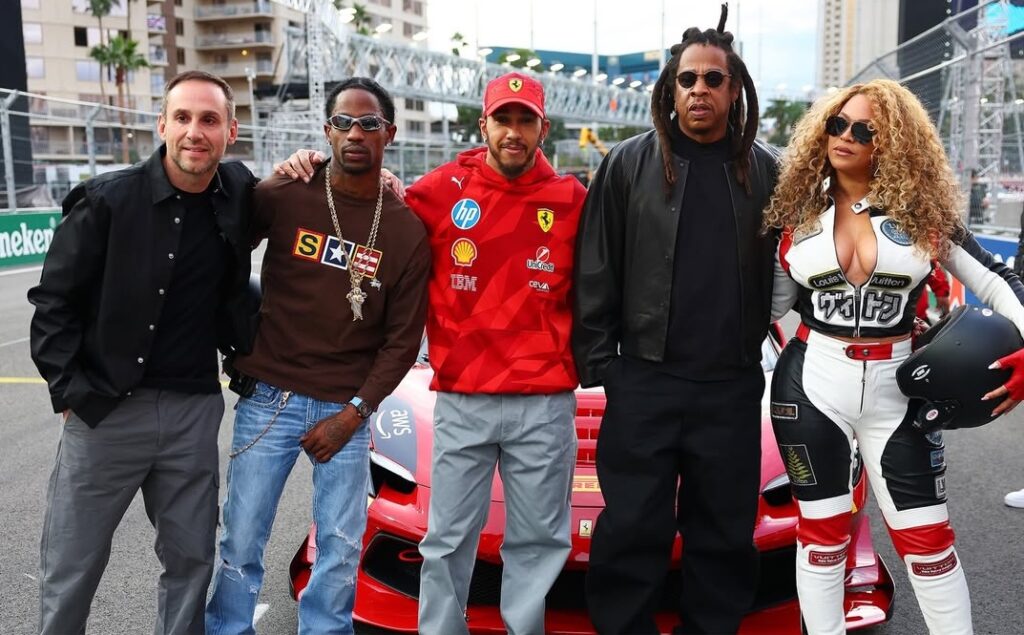
The way the sport presents itself off the track changed too. Trophies made out of toys, playful partnerships with fashion brands, big city races that feel like festivals more than traditional race weekends and of course that placing a bet on f1 races adds to the excitement and involvement. You don’t need to understand tyre strategy to enjoy that. You just need to feel something when the lights go out and the noise hits.
Reaching new crowds
Then there’s the online part, which is honestly where most of the new fans begin. Drivers posting clips from the gym, arguing over who has the worst playlist, laughing about team mistakes, celebrating small wins you’d never notice in a broadcast. The sport that once felt untouchable now pops up on phones at random hours, one short clip at a time.
What’s interesting is that many new fans watch the sport in reverse. They see the personalities first. Then the rivalries. Only later do they learn the rules. And Formula One seems completely fine with that. It no longer demands that you understand everything before you enjoy anything.
On the track, the expansion is even more obvious. More races in places that weren’t traditional motorsport homes. More street circuits, more night races, more events that feel like they’re trying to capture a different type of crowd. Some fans hate it, some love it, but you can’t deny the intention. F1 isn’t chasing the old model anymore. It’s building a new one.
And yet, underneath all the glitter, the sport still knows what it is. Fast cars racing with almost ridiculous precision. Strategy that can ruin or save a week. Split-second decisions. Drivers who, beneath the media and the jokes, still carry that edge you need to throw a car into a corner at impossible speed.
That’s probably the secret behind the sport’s current rise. It didn’t become something new. It learned how to show what it already was, in a way more people could connect to.
The next part for the sport
The next step will be keeping those fans once the novelty fades. That’s one challenge that will hunt the sport forever. But for now, Formula One feels more alive and approachable than it has in years. Because it finally invited the rest of the world to watch the build up on every other day of the week.
Join 'OkMzansi' WhatsApp Channel
Get the latest South African entertainment news, trending stories, and viral updates straight to your WhatsApp.
CLICK HERE TO JOIN